Source Dtf Printing Powder for Garment, Film, and Textile Uses
Find 30 listings for dtf printing powder sourced from China. Compare TPU hot melt adhesive options for fiber, garment, and printing film applications. Evaluate specifications like 1KG packaging and eco-friendly features to select the right transfer material for your DTF printer workflow.
Key considerations
Products List


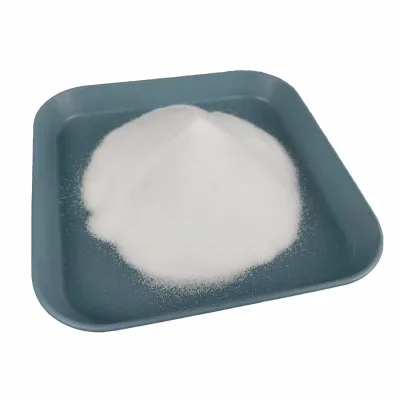
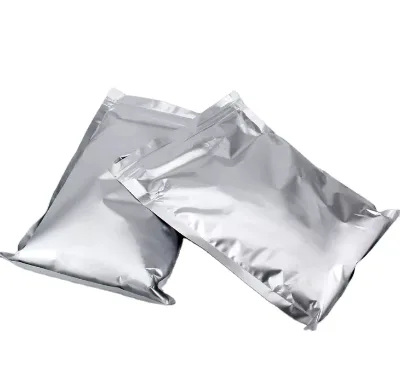


Comprehensive Sourcing Guide
DTF Printing Powder Sourcing Guide
Buyers must first distinguish between generic hot melt adhesives and specialized DTF transfer powders, as the latter requires precise particle size distribution to ensure proper adhesion on PET films without clogging printer nozzles. The observed product listings indicate a primary composition of TPU (Thermoplastic Polyurethane), which is essential for achieving the high elasticity and durability required in modern garment printing applications. Sourcing decisions should prioritize suppliers who explicitly state their material as 100% TPU or Polyurethane Elastomer, as this directly impacts the final print's stretchability and wash fastness.
Procurement teams should verify that the powder is compatible with pigment DTF inks and PET films, as incompatibility leads to delamination or poor color vibrancy. The observed data confirms that these powders are designed for use with specific DTF printers and transfer printing methods, rather than standard inkjet or screen printing setups. Buyers should focus on suppliers offering customization options, as different fabric types may require variations in melting points or bonding strengths to ensure the adhesive functions correctly under high-temperature curing conditions.
Product Scope and Observed Listing Signals
The market for DTF powder currently features products labeled as White DTF powder or Hot Melt TPU, with a clear emphasis on eco-friendly formulations and solid-state morphology. Listings frequently specify usage across fiber, garment, and printing film applications, indicating a versatile scope that supports both textile manufacturing and advertising printing machine operations. Buyers should note that while the core material is consistent, the specific packaging formats vary, ranging from individual 1KG bags to larger carton boxes, which influences logistics planning for different order volumes.
Observations of the product listings reveal a significant variation in packaging standards, with some suppliers offering 1KG/5KG configurations while others list specific carton dimensions like 534426CM. This inconsistency requires buyers to carefully calculate shipping costs and storage requirements before finalizing orders. The presence of "Customized" attributes suggests that suppliers are willing to adjust particle sizes or packaging to meet specific client needs, making it crucial for buyers to communicate their exact production line requirements early in the negotiation process to avoid receiving a standard product that does not fit their workflow.
Technical Specifications to Verify
Verification of the powder's physical characteristics is critical, specifically focusing on the single package size and gross weight to ensure accurate inventory management and shipping calculations. The observed data indicates a single gross weight of 1.300 kg for a 1KG bag, which implies a specific packaging density that buyers must account for when estimating container loads. Additionally, the shelf life of 24 months is a key technical parameter that affects inventory turnover strategies, ensuring that stock remains viable for long-term production schedules without degradation of adhesive properties.
Buyers must confirm the bonding function, specifically the high-temperature resistance and release force characteristics, as these determine the powder's performance during the heat transfer process. The classification as a Hot Melt adhesive with a heavy release force suggests suitability for demanding applications, but the exact melting point and flow characteristics should be validated against the buyer's specific curing equipment. It is essential to verify that the product's morphology is strictly solid-state and that the formula aligns with the stated Polyurethane composition to prevent issues like clumping or uneven distribution on the transfer film.
Compliance and Safety Documentation
Ensuring that the DTF powder meets relevant safety and environmental standards is a non-negotiable step for B2B procurement, particularly when the product is intended for consumer-facing apparel. The observed listings mention the presence of certifications, including CE marks, which indicates a baseline level of compliance with European safety directives. However, buyers should not assume that all listed products automatically satisfy every regulatory requirement; instead, they must request specific test reports or certificates of analysis to confirm that the material is free from harmful substances and safe for handling in industrial environments.
The eco-friendly feature highlighted in several product descriptions suggests a potential alignment with sustainability goals, but this claim requires substantiation through third-party testing or recognized industry standards. Buyers should inquire about the specific chemical composition details, such as the CAS number 9009-54-5, to verify the purity of the Polyurethane Elastomer and ensure it does not contain prohibited additives. Establishing a clear chain of custody for safety documentation is vital, as it protects the buyer from liability and ensures that the final printed garments can be sold in markets with strict chemical regulations.
Cost Drivers and Commercial Terms
The pricing structure for DTF powder is influenced by the raw material costs of TPU and the complexity of the manufacturing process, with observed listing prices ranging from 0.66 to 20 USD per unit. This wide variance suggests that factors such as particle size precision, packaging quality, and brand reputation significantly impact the final cost. Buyers should analyze whether the lower price points correspond to standard, off-the-shelf products or if they reflect bulk discounts, while higher prices may indicate specialized formulations or premium packaging options that justify the expense through better performance.
Commercial terms, particularly the Minimum Order Quantity (MOQ), vary from 1 to 50 units, offering flexibility for small-scale testers and larger manufacturers alike. The availability of single-item selling units allows buyers to conduct small-scale trials without committing to large inventory volumes, which is a strategic advantage for new product introductions. However, buyers must be aware that while the MOQ is low, the lead times and shipping costs for small orders may disproportionately affect the overall unit cost, necessitating a careful balance between trial orders and bulk purchasing to optimize the total cost of ownership.
Supplier Qualification and Quality Control
Selecting a qualified supplier requires a rigorous assessment of their production capabilities and quality control systems, particularly given the sensitivity of DTF powder to moisture and temperature fluctuations. The observed data indicates that products originate from regions like Zhejiang and Guangdong in China, which are known manufacturing hubs, but buyers must verify the specific factory's adherence to consistent quality standards. It is essential to request samples that match the exact specifications of the desired product, including the single package size and weight, to ensure that the supplier can maintain consistency across different production batches.
Quality control should extend beyond the initial sample to include ongoing monitoring of the powder's performance in the buyer's specific printing environment. Buyers should establish clear acceptance criteria for attributes like color, morphology, and bonding strength, ensuring that the supplier can consistently deliver products that meet these requirements. The presence of customization options suggests that suppliers are capable of adapting to specific needs, but this capability must be backed by a robust quality assurance process to prevent defects that could disrupt the buyer's production line or compromise the final product quality.
Long-Term Procurement Checks
Establishing a long-term procurement strategy for DTF powder involves regular audits of supplier performance and continuous monitoring of market trends to ensure supply chain resilience. Buyers should schedule periodic reviews of the supplier's ability to meet delivery schedules and maintain the specified shelf life of 24 months, as any deviation could lead to production delays or increased waste. It is also important to track changes in the raw material market, such as fluctuations in TPU prices, to anticipate potential cost increases and negotiate favorable terms before they impact the buyer's budget.
Continuous communication with suppliers regarding new product developments and technological advancements is crucial for maintaining a competitive edge in the DTF printing market. Buyers should stay informed about updates to safety standards and environmental regulations that may affect the product's compliance status, ensuring that their supply chain remains adaptable to changing requirements. By maintaining a proactive approach to supplier management and quality verification, buyers can mitigate risks and ensure a steady supply of high-quality DTF powder that supports their long-term business growth and operational efficiency.
FAQs
What is DTF printing powder made of?
DTF printing powder in this listing is made of 100% TPU, a thermoplastic polyurethane elastomer. It functions as a hot melt adhesive that bonds printed designs from PET film to fabric during heat transfer. TPU gives the adhesive good elasticity and durability on textiles, which is why it is widely used for garment and fabric printing applications.
How does DTF powder work with pigment ink and PET film?
The powder is applied to a design printed with pigment DTF ink on PET film, then heated so it melts and adheres to the ink layer. After cooling, the cured print is heat pressed onto fabric, where the melted TPU bonds the design to fibers. Excess powder is shaken off before curing to avoid a rough or uneven finish.
What packaging sizes are available for DTF printing powder?
Standard packing is 1KG or 5KG per unit, with 1KG packaged per bag. Larger cartons measuring 53 by 44 by 26CM are used for bulk packing, with plastic bags inside carton boxes. Single item packages have a size of 10 by 9 by 8CM and a gross weight of about 1.3 kilograms per bag.
Which fabrics can be decorated using DTF hot melt powder?
The powder is listed for use on all fabrics, with applications including clothing, textiles, and leather. It is suited to garment decoration, advertising printing machines, and transfer printing workflows. Because the adhesive is a flexible TPU elastomer, it maintains stretch and comfort on elastic apparel fabrics as well as standard woven and knitted textiles.
Can I order a small quantity before committing to bulk purchasing?
Yes, the minimum order quantity starts at 1 unit, so a single 1KG bag can be ordered for testing. The selling unit is a single item, making trial orders practical for verifying melt behavior, adhesion, and wash durability on your own fabrics. After testing, buyers can scale up to 5KG or carton quantities as needed.
What is the shelf life of DTF printing powder and how should it be stored?
The listed shelf life is 24 months from production. Store the powder sealed in its original bag or carton in a cool, dry place away from moisture and direct sunlight, since humidity can cause clumping and affect melt flow. Keep containers closed when not in use, and rotate stock so older bags are consumed before newer ones.
How should I choose a DTF powder mesh size for my printer setup?
Finer mesh powders give smoother, more detailed prints suited to intricate designs, while coarser grades provide stronger adhesion on heavier fabrics. Match the mesh to your artwork detail and fabric texture, and verify that your DTF printer and curing oven settings suit the selected grade. Sampling different grades on your production fabrics is the most reliable way to decide.
Can the powder be customized for specific production requirements?
Yes, customization is listed as available. Buyers can discuss requirements such as packaging format, product specifications, and application needs with suppliers before ordering. Because the minimum order quantity is 1 unit, it is practical to test a customized grade in small amounts first, then confirm consistency across larger 5KG or carton-based production orders.